Colorful Pencils: An Embroidery Design Review
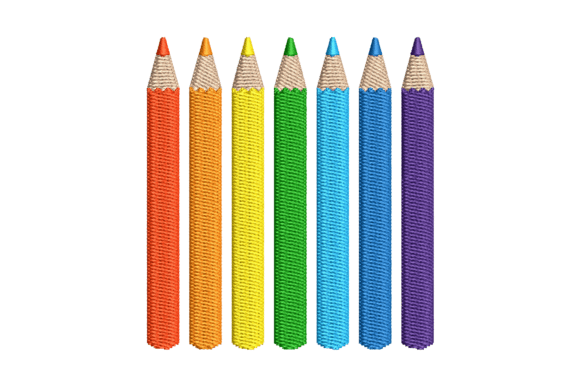
As an experienced embroidery designer, I approach every new machine embroidery design with a critical eye toward production viability and commercial application. When evaluating the "Colorful Pencils" design for small business merchandise, my primary focus is not just on its aesthetic appeal but on how it translates from screen to fabric in a high-volume or boutique environment. This design, described as hand-drawn by an embroidery artist, immediately suggests a level of organic texture that distinguishes it from generic, auto-digitized clip art. For business owners in creative industries, this distinction is vital. The hand-drawn origin implies a unique brand identity that feels personal and crafted, rather than mass-produced.
Visual Personality and Brand Alignment
The first impression of Colorful Pencils is undeniably playful yet professional. While categorized under Back To School, its utility extends far beyond academic settings. The visual language of colored pencils communicates creativity, education, precision, and artistic expression. For a creative studio, art supply shop, or tutoring center, this iconography is literal. However, for a bakery, florist, or pet brand, it serves as a metaphorical signal of "handmade" care and custom attention to detail.
In terms of small business merch, this design strikes a balance between youthful energy and artisanal quality. It avoids the overly cartoonish look that can cheapen a brand, instead leaning into a style that complements custom apparel and premium goods. The color palette likely offers high contrast, which is essential for visibility on varied garment colors. As a reviewer, I appreciate designs that maintain their integrity when scaled; the pencil motif generally allows for clear silhouettes even when reduced for pocket logos or sleeve accents.
Commercial Applications for Small Business
When integrating Colorful Pencils into a product line, versatility is key. I have evaluated this design across several common business applications:
- Embroidered Patches: This is perhaps the strongest use case. The distinct shapes of pencils lend themselves perfectly to patch borders. Whether used as a standalone logo or part of a larger collage, it creates a tangible asset that customers can collect or add to their own gear.
- Apron Embroidery: For cafes, bakeries, and craft workshops, placing this design on the chest or lower pocket of an apron adds immediate character. It signals to customers that the staff values craftsmanship.
- Tote Bag Design: Canvas totes are staples for bookstores and markets. Colorful Pencils provides a vibrant focal point that contrasts beautifully against natural cotton duck or denim fabrics.
- Cap Embroidery: While challenging due to curvature, the vertical orientation of pencils can sometimes work well on cap fronts if the layout is adjusted. It offers a unique alternative to standard text-based hat branding.
- Staff Uniforms: For tutoring centers or after-school programs, this design softens the corporate uniform look, making staff appear more approachable to children and parents.
Production Considerations and Technical Constraints
Despite its charm, Colorful Pencils requires careful technical evaluation before running production. As a digital embroidery file, hand-drawn aesthetics often involve complex fill stitches or textured satin columns that mimic sketch lines. While beautiful, these elements increase stitch density.
Business owners must be cautious when applying this design to performance wear or thin knits. High density can cause puckering or fabric distortion. Always pair this design with the correct stabilizer; a cutaway backing is often necessary for stretchy fabrics to support the weight of the thread. Conversely, on heavy canvas or denim, ensure your needle size and thread tension are adjusted to penetrate the dense layers without breaking.
Size reduction is another critical factor. If you intend to use Colorful Pencils as a tiny label accent or collar tag, verify the minimum legible size. Intricate details in the pencil tips or shading may get lost below 2 inches. In such cases, request a simplified version of the embroidery file specifically optimized for small formats. Never assume a design scales infinitely downward without losing definition.
Enhancing Customer Trust and Product Value
Why choose this specific design over generic stock art? The answer lies in perceived value. In the handmade market, customers are adept at spotting automation. A design that retains the nuance of a hand-drawn original elevates the finished product. It tells a story of intentionality. When a customer receives a tote bag or wears a cap featuring Colorful Pencils, they associate that item with human creativity rather than factory output.
This emotional connection drives engagement. For Etsy sellers and independent brands, unique design assets like this reduce the risk of looking identical to competitors using the same top-ten bestseller lists. Furthermore, consistent use of a signature graphic across packaging, tags, and apparel builds visual recognition. Over time, Colorful Pencils becomes synonymous with your specific brand’s promise of quality and artistic integrity.
Designer Notes for Successful Implementation
Before committing to a full production run, follow this professional checklist to ensure Colorful Pencils performs as expected:
- Test in Black and White: Print a grayscale version of the design to check value contrast. If the pencils blend together without color, the digitizing lacks sufficient tonal variation. Good embroidery relies on light and shadow, not just hue.
- Verify Hoop Size Compatibility: Confirm the design dimensions fit your machine’s hoops without requiring excessive re-hooping or splitting. Check the product description for exact measurements before purchase.
- Fabric Texture Testing: Run a sample on the actual garment or material you plan to sell. A design that looks crisp on felt may disappear on ribbed knit or terry cloth. Adjust pull compensation based on real-world results.
- Create a Printable Mockup: Before stitching inventory, place the design digitally on product photos. Share these with potential customers or focus groups to gauge interest. This validates the market demand before consuming thread and labor.
- Check Commercial Licensing: Crucially, review the license terms included with the file. Ensure you have the right to use Colorful Pencils on items intended for resale. Some licenses restrict usage to personal projects or limit the number of commercial units.
- Thread Color Matching: Hand-drawn designs often rely on specific shade blending. Invest time in matching your physical thread inventory to the designer’s chart. Substitutions can alter the mood from vibrant to muddy.
Final Verdict for Business Use
Colorful Pencils represents a strong contender for businesses seeking to inject warmth and creativity into their branded merchandise. Its hand-drawn lineage offers a premium feel that aligns well with modern consumer preferences for authentic, artisanal goods. While it demands respect regarding fabric texture and stabilization during production, the payoff in brand differentiation is significant.
Whether you are outfitting a team of tutors, branding a line of art supplies, or simply adding a whimsical touch to a café uniform, this design delivers personality. Just remember to validate the technical specs—specifically stitch count, hoop requirements, and licensing—before beginning commercial embroidery. By treating this design as a strategic business asset rather than mere decoration, you maximize both its aesthetic impact and its return on investment. Always prioritize testing on your specific substrates to ensure the final embroidered result matches the professional standard your customers expect.