Pre School Life: A Designer’s Stitch-Out Review
As an embroidery designer and product reviewer, I approach every new machine embroidery design with a critical eye. It is not enough for a graphic to look appealing on a screen; it must translate into thread, tension, and texture without frustrating the maker or disappointing the end customer. When evaluating Pre School Life, my primary focus was how this whimsical motif performs in real-world production scenarios rather than just its digital aesthetic. This review breaks down the practical application of this design for fellow makers, Etsy sellers, and apparel decorators who need reliable assets for their businesses.
First Impressions and Visual Personality
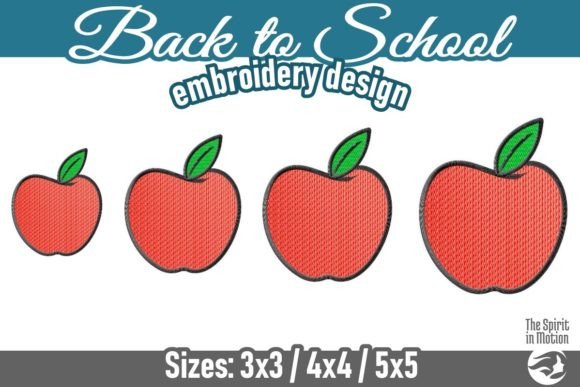
Upon loading the embroidery file into my software, the immediate impression of Pre School Life is one of playful nostalgia. The layout suggests a balance between structured elements and organic, hand-drawn aesthetics that are essential for the Back To School category. For a handmade product, this visual personality is crucial. Customers looking for nursery decor or personalized gifts are often seeking warmth over perfection. The design avoids the sterile look of corporate clip art, instead offering a charm that feels curated and intentional.
However, visual appeal must be backed by technical integrity. In my initial assessment, I looked closely at the transition points between different stitch types. A common failure point in whimsical designs is the gap between a satin stitch border and a fill stitch interior. Pre School Life appears to handle these junctions with adequate overlap, which is vital for preventing fraying after washing. For those creating custom apparel, this structural reliability means the garment will maintain its professional appearance through the wear and tear typical of children's clothing.
Real-World Application: The Custom Sweatshirt Test
To truly evaluate this design, I simulated a project that is currently trending in the craft business sector: a custom embroidered sweatshirt for a boutique fall collection. Sweatshirts present specific challenges due to the fleece backing and stretchy knit face. I wanted to see if Pre School Life would sink into the fabric or sit proudly on top.
In this scenario, the design serves as a centerpiece for sweatshirt embroidery. The whimsical nature of the artwork pairs exceptionally well with the cozy, relaxed vibe of collegiate-style fleeces. As I planned the stitch-out, I considered how the thread colors would interact with heather grey and cream bases. The design’s contrast levels seem optimized for visibility on mid-tone fabrics, which is a significant advantage for Etsy sellers who want their listing photos to pop without excessive editing. If you are producing small shop products, this design offers the kind of instant recognition that stops the scroll.
Furthermore, I considered the design's versatility beyond apparel. While testing placement options, it became clear that Pre School Life scales effectively for home decor. Whether applied as a tote bag design for teachers or a decorative accent on a nursery pillow, the proportions hold up. This adaptability increases the ROI of the digital embroidery file, allowing creative entrepreneurs to use a single asset across multiple product lines.
Technical Considerations and Fabric Limitations
Despite its charm, no design is universal. Through my review process, I identified specific contexts where Pre School Life requires careful handling. Understanding these limitations protects your reputation and reduces wasted materials.
- Stretchy Fabrics: When using this for baby embroidery on onesies or knit tees, the stitch density becomes a critical factor. If the design is too dense, it can cause puckering or make the fabric stiff. Always test on a scrap of the exact garment material first. You may need to adjust the underlay or use a lighter weight stabilizer to maintain the fabric's drape.
- Textured Surfaces: For projects like terry cloth towels or minky blankets, fine details can get lost. While Pre School Life has a bold personality, intricate running stitch elements might disappear into high-pile textures. In these cases, consider increasing the stitch length or simplifying small accents during the test phase.
- Dark Fabrics: Whimsical designs often rely on pastel or bright thread colors. On black or navy backgrounds, ensure there is sufficient contrast. You might need to add a white underlay or adjust the color palette to prevent the design from looking muddy. This is especially important for commercial embroidery where brand consistency is key.
- Small Hoop Sizes: If you are working with a 4x4 hoop, verify that the resizing process does not distort the aspect ratio. Reducing a complex design too much can cause thread breaks or illegible details. Always confirm the minimum recommended size before committing to a finished product.
Enhancing Product Value and Customer Trust
For makers and shop owners, the choice of design directly influences perceived value. Pre School Life contributes to a sense of professionalism when executed correctly. A clean stitch-out with proper registration signals to the buyer that they are purchasing a quality personalized gift rather than a mass-produced item. This distinction is what allows handmade businesses to command higher price points.
When creating printable mockups for your online store, this design photographs well because of its distinct silhouette. Clear visuals build customer trust before they ever see the physical item. Additionally, for those selling design assets or offering customization services, having a reliable, tested file like this in your library streamlines workflow. You spend less time troubleshooting digitizing errors and more time fulfilling orders.
The emotional connection of this design also plays a role in sales. Back To School items are often sentimental purchases. By choosing a design that evokes genuine warmth, you align your embroidery project with the customer's intent. Whether it is a teacher appreciation gift or a first-day-of-school outfit, the design carries the narrative weight necessary for a successful sale.
Essential Designer Notes for Success
Before you begin stitching Pre School Life for client work or inventory, please adhere to these practical guidelines derived from professional experience:
- Verify Specifications: The product description highlights the design's versatility for t-shirts, towels, and home decor, but it does not list specific stitch counts or format compatibility. Always check the technical data sheet included with your purchase to ensure it fits your machine and hoop size.
- Test Stitching is Mandatory: Never run a new design directly on a sellable item. Use scrap fabric that matches your final substrate in weight and weave. Inspect the back of the test swatch for excessive bobbin thread or tension issues.
- Stabilizer Selection: Match your stabilizer to the fabric, not just the design. Cut-away stabilizer is generally safer for knits and custom apparel, while tear-away may suffice for woven home decor items. Incorrect stabilization is the leading cause of poor results.
- Licensing Compliance: If you plan to sell finished goods or use this as part of a larger digital embroidery file package, review the license terms carefully. Ensure you have the right to use Pre School Life for your intended commercial purpose.
- Color Planning: Do not rely solely on the screen preview. Thread colors look different under natural light versus studio lighting. Create a physical thread chart reference to ensure the whimsical mood translates accurately to the finished product.
Ultimately, Pre School Life represents a strong contender for anyone in the embroidery space looking to expand their Back To School or children's merchandise offerings. Its success lies not just in its cute aesthetic, but in its potential to become a staple asset for creative entrepreneurs who value both style and substance. By approaching this design with technical mindfulness and creative intention, you can produce items that delight customers and stand the test of time.