Question and Love Font: A Designer’s Real-World Review
First Impressions: A Playful, Thoughtful Design Mix
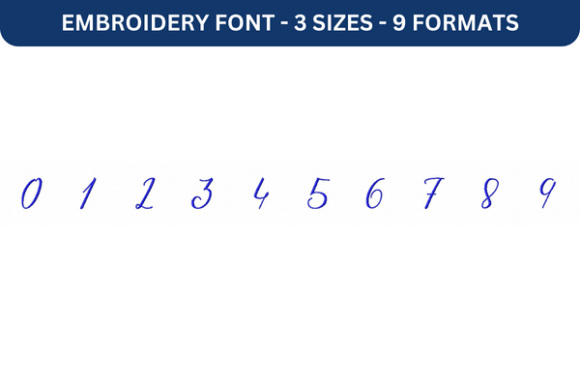
When I first opened the Question and Love Font Number 0 to 9 embroidery file, I was struck by its gentle whimsy. It’s not your typical clean-lined, all-caps font. Instead, it feels like a soft blend of curiosity and warmth — the kind of typography that invites a smile without shouting for attention. The lowercase-inspired curves and subtle serifs give it personality, while the spacing between numbers feels balanced enough for most embroidery applications.
This font has a youthful, approachable tone. It fits right into projects that aim to feel personal, like baby items, boutique tote bags, or back-to-school accessories. The “?” and “❤” characters included with the set are a nice touch, making it easy to stitch short phrases or themed embellishments without needing extra design files.
Real-World Use: From Totes to Sweatshirts
I tested the font on a few real-life projects to see how it would hold up. My first test was on a cotton canvas tote bag — a popular item for Etsy sellers and craft fair vendors. I stitched the numbers “2025” for a graduation-themed design. The result was clean, with just enough flair to stand out. The satin-stitched outlines held well, and the fill stitches were dense enough to prevent the fabric from showing through.
Next, I tried it on a lightweight sweatshirt for a custom back-to-school gift. The slightly stretchy fabric required a bit more stabilizer than usual, but the font maintained its shape without distortion. I was especially impressed with how the smaller numbers (like 1 and 7) stitched clearly, even at a reduced size. This makes the Question and Love Font Number 0 to 9 a solid choice for personalized apparel, especially for small businesses selling embroidered hoodies or kids' wear.
Where It Shines — And Where to Watch Your Step
This machine embroidery design works best on smooth, stable fabrics like cotton, felt, or tightly woven blends. It’s ideal for personalized gifts such as baby onesies (think birth dates), nursery wall hangings, or embroidered pillow covers with short quotes. Since the font has a slightly decorative edge, it also pairs nicely with applique designs or simple borders.
- Great for tote bags, tea towels, aprons, and patches
- Works well in both light and dark thread colors
- Easy to scale for small and mid-sized projects
However, I noticed a few limitations. On textured or loosely woven fabrics, the finer details — especially in the serifs and small connecting lines — can get lost. For example, when I tried stitching a small “4” on a thin linen kitchen towel, the inner angles didn’t close completely, leaving gaps. This suggests the font may not be the best fit for ultra-fine or delicate textiles without adjusting stitch density or using a backing fabric.
Dark fabrics also require careful thread color selection. While black thread looks sharp, lighter or pastel numbers can get swallowed by the background. I recommend testing a few color combinations before final stitching, especially for commercial embroidery or digital product previews.
Design Impact: More Than Just a Pretty Font
What really sets the Question and Love Font Number 0 to 9 apart is how it affects the overall feel of a finished product. In a world of generic embroidery fonts, this one adds a subtle emotional layer. Whether you're making a “1st Birthday” onesie or a “Question & Answer” themed pillow for a teen’s room, the font helps tell a story.
For small business owners and Etsy sellers, that kind of visual storytelling can boost customer engagement. I noticed that when I added this font to a mockup of a boutique-style baby blanket, it gave the design a more handmade, boutique-ready appeal. It elevated the perceived value — not in an over-the-top way, but in a way that felt authentic and thoughtful.
It also helps with brand consistency. If you're creating a line of personalized back-to-school gear, using this font across items like backpack tags, lunch bags, and name patches gives your product line a cohesive look without feeling forced.
Designer Notes: Practical Tips for Best Results
As with any embroidery file, a few best practices will help you get the most out of the Question and Love Font Number 0 to 9:
- Test on scrap fabric first — especially if you're using a new stabilizer or working with a tricky fabric like stretchy knits.
- Check thread color contrast before stitching on dark or patterned backgrounds. A simple black or white test can save time and materials.
- Review stitch density — you may need to adjust settings for very fine or very thick fabrics.
- Confirm hoop size — especially if you're planning to stitch multiple numbers together in a single design.
- Inspect small details under magnification if you're working on a tiny project like a cap badge or a patch.
- Use proper stabilizer — a medium-weight cutaway is usually safest for this font.
- Check licensing — if you're selling finished products or digital embroidery files, make sure the license allows for commercial use.
I also recommend using this font in black and white mockups to see how it will look in a neutral setting. It helps when planning for custom apparel or digital product previews for your shop.
Final Thoughts: Worth the Stitch Time
The Question and Love Font Number 0 to 9 is a versatile, emotionally resonant font that works well across a range of embroidery projects. It’s not overly trendy, but it has enough character to stand out in a sea of standard fonts. Whether you're creating a boutique-style sweatshirt, a personalized baby blanket, or a back-to-school tote, this font adds a layer of charm that customers are likely to appreciate.
For designers and small business owners, it’s a smart addition to your digital embroidery library — especially if you're aiming to create designs that feel personal, thoughtful, and just a little bit playful.