The Cool Kid, Just Showed Up: Design Review
As an experienced embroidery designer preparing for a busy weekend craft fair, my first step is always evaluating which digital assets will translate best into physical sales. When reviewing The Cool Kid, Just Showed Up machine embroidery design, I am looking for more than just a cute graphic; I am assessing commercial viability, production efficiency, and visual impact in a crowded booth environment. This design falls squarely into the Back To School category, but its application extends far beyond September. For Etsy sellers, boutique makers, and creative entrepreneurs, understanding how this specific artwork performs on various substrates is the difference between a stagnant inventory and a sold-out table.
First Impressions and Visual Hierarchy
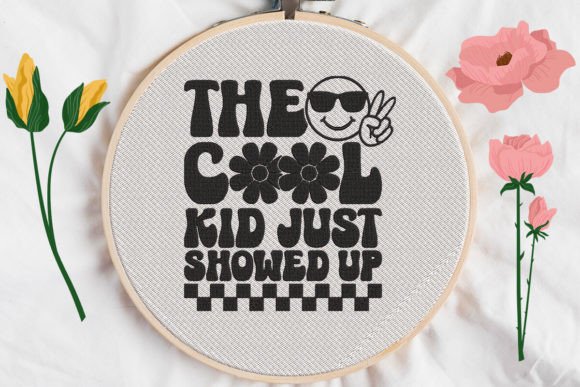
Upon loading the embroidery file into my software, the immediate impression of The Cool Kid, Just Showed Up is one of modern playfulness with a confident aesthetic. It does not feel overly juvenile or strictly utilitarian; instead, it strikes a balance that appeals to both parents shopping for children and young adults looking for trendy accessories. The phrase itself carries a bold, declarative energy that works exceptionally well as a focal point. From a design perspective, the typography and accompanying graphics appear optimized for readability from a distance, which is crucial for craft fair products hanging on a rack or displayed on a shelf. The charm lies in its versatility; it feels equally at home on a rustic canvas tote bag as it does on a sleek, modern denim jacket. This duality makes it a high-value asset for handmade shop owners who need designs that cross demographic lines.
Top Performing Products for Market Sales
Not every design works on every product, and knowing where The Cool Kid, Just Showed Up shines saves time and materials during batch production. Based on current market trends and practical stitching considerations, here are the top applications:
- Tote Bags and Market Shoppers: This is arguably the strongest application. A tote bag design needs to be legible from three feet away. The bold nature of this design ensures it acts as a walking billboard for your brand at the market. Canvas and linen textures provide excellent stability for the stitch density.
- Apron Embroidery: For Back To School events or teacher appreciation gifts, aprons are a staple. Placing this design on the upper bib or lower pocket creates an instant conversation piece. Aprons allow for larger hoop sizes, letting the design breathe without distortion.
- Embroidered Patches: Creating standalone patches is a fantastic way to utilize this design for customers who want customization without committing to a full garment. Felt or twill bases work perfectly here, and patches are high-margin items for small shop product displays.
- Caps and Hats: While curved surfaces present challenges, this design’s likely centered composition makes it suitable for structured caps. However, verify the vertical height fits within your cap frame limits before running production.
- Fabric Pouches and Zipper Bags: These are excellent impulse buys. The design adds perceived value to simple cotton pouches, transforming them from basic storage to giftable handmade products.
Production Practicalities and Selling Points
For commercial embroidery and batch production, efficiency is key. The Cool Kid, Just Showed Up appears designed with clean lines that minimize excessive jump stitches, reducing post-production trimming time. This is vital when fulfilling orders for a weekend market. Photographing finished products for Etsy listings also favors this design; the clear contrast and distinct shapes photograph well even in natural light, reducing the need for extensive editing. When creating printable mockups for digital sales or pre-orders, the design’s clarity ensures it looks professional on screen, helping buyers visualize the final result accurately.
From a customer engagement standpoint, the phrase evokes emotion and humor. In a booth setting, emotional connection drives sales faster than technical perfection. Customers stop because they smile at the sentiment, then buy because the stitch quality confirms the handmade quality. This design supports brand consistency across multiple product types, allowing you to create cohesive collections rather than disjointed one-offs.
Critical Use Notes and Technical Cautions
Despite its versatility, there are specific scenarios where caution is required to maintain professional standards:
- Textured Towels: If applying this as tea towel embroidery, use a water-soluble topping. Terry cloth loops can push through stitches, obscuring fine details or small lettering within the design.
- Small Lettering Clarity: If the design includes smaller sub-text, avoid resizing below 80%. Small text often loses definition on dark fabrics or textured surfaces. Always test stitch count integrity before scaling down.
- Dense Stitch Areas: Check for satin stitch columns wider than 7mm. On lightweight fabrics like quilting cotton, wide satins can cause puckering. Using the correct stabilizer is non-negotiable here.
- Dark Fabric Contrast: Ensure thread colors provide sufficient contrast against dark backgrounds. A design that pops on white canvas might disappear on navy denim unless you adjust thread selection or add an outline.
- Curved Surfaces: When hooping caps or sleeves, ensure the design center aligns with the curve apex. Distortion at the edges can ruin the "cool" factor instantly.
Designer Checklist Before Production
Before listing any finished product or selling the digital embroidery file, run through this essential checklist to protect your reputation and profit margins:
- Test Stitch on Scrap Fabric: Never assume default settings are perfect. Test on the exact fabric weight you intend to sell.
- Verify Hoop Size Compatibility: Confirm the design dimensions fit your most commonly used hoops to maximize production speed.
- Check Thread Colors and Brands: Document specific thread numbers for repeatability. Consistency builds trust with repeat customers.
- Review Stabilizer Pairings: Match stabilizer weight to fabric texture. Cut-away for knits, tear-away for wovens, and topping for piles.
- Create Real Mockups: Digital renderings are useful, but photos of actual stitched samples convert better. Show the texture and scale.
- Confirm Commercial Licensing: Crucial for digital sellers and those selling finished goods. Verify whether The Cool Kid, Just Showed Up allows for commercial embroidery of finished products or if it is restricted to personal use.
- Inspect Stitch Density: Ensure the design isn’t too dense for delicate fabrics or too sparse for heavy-duty items.
Maximizing Value in Your Handmade Business
Ultimately, The Cool Kid, Just Showed Up represents a strategic opportunity for embroidery businesses targeting the Back To School season and beyond. Its strength lies in its ability to function as both a standalone statement piece and a complementary accent. By focusing on high-visibility products like tote bags and aprons, and adhering to strict technical guidelines regarding stabilizer and fabric texture, you elevate this machine embroidery design from a simple digital file to a profitable craft fair product. Remember that customers at handmade markets are buying the story and the quality as much as the design itself. When executed with precision and marketed with authentic enthusiasm, this design has the potential to become a signature item in your collection, driving both booth traffic and online engagement. Always prioritize testing and quality control to ensure every stitch reflects the joy and charm promised by the design title.